
Engineering insights on GPU infrastructure, deep learning optimization, and ML platform engineering.

Actionable GPU cluster optimization strategies that engineering teams use to reduce deep learning training costs by 60% without sacrificing throughput or model quality.

A comprehensive engineering guide to scaling distributed deep learning training from a single GPU node up to thousands, covering topology, parallelism strategies, and failure modes.

A deep dive into the workload scheduling techniques that eliminate idle GPU time and cut compute costs without sacrificing training throughput.
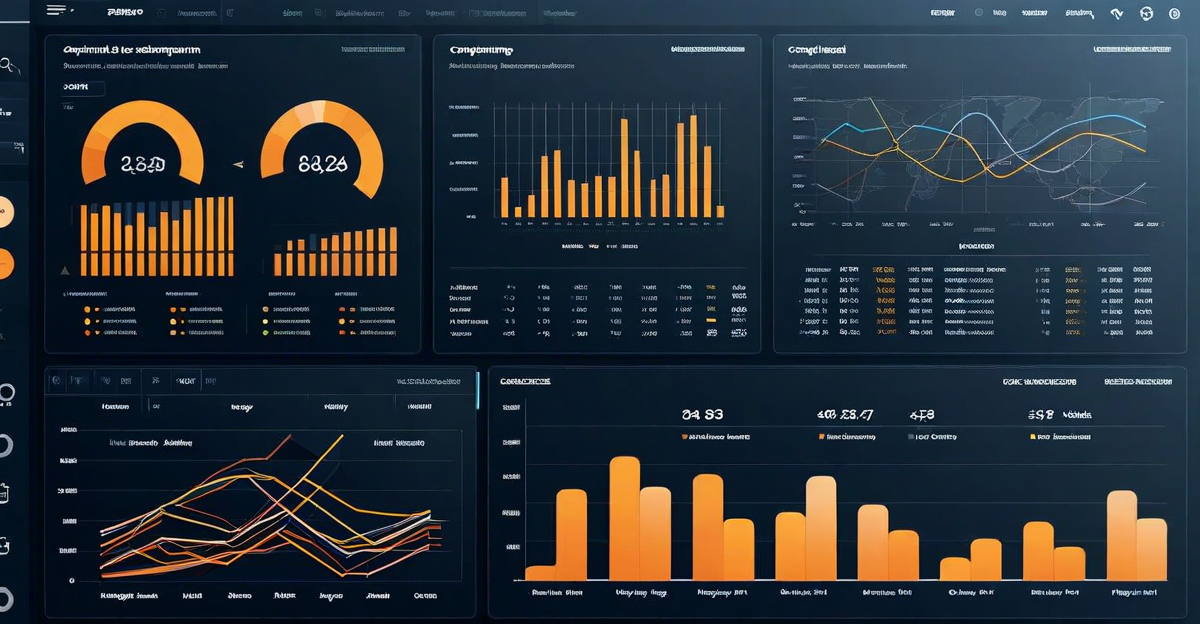
Beyond GPU hours: a frank breakdown of the hidden infrastructure costs in deep learning — storage, networking, engineering time, and operational overhead that inflate your true training budget.
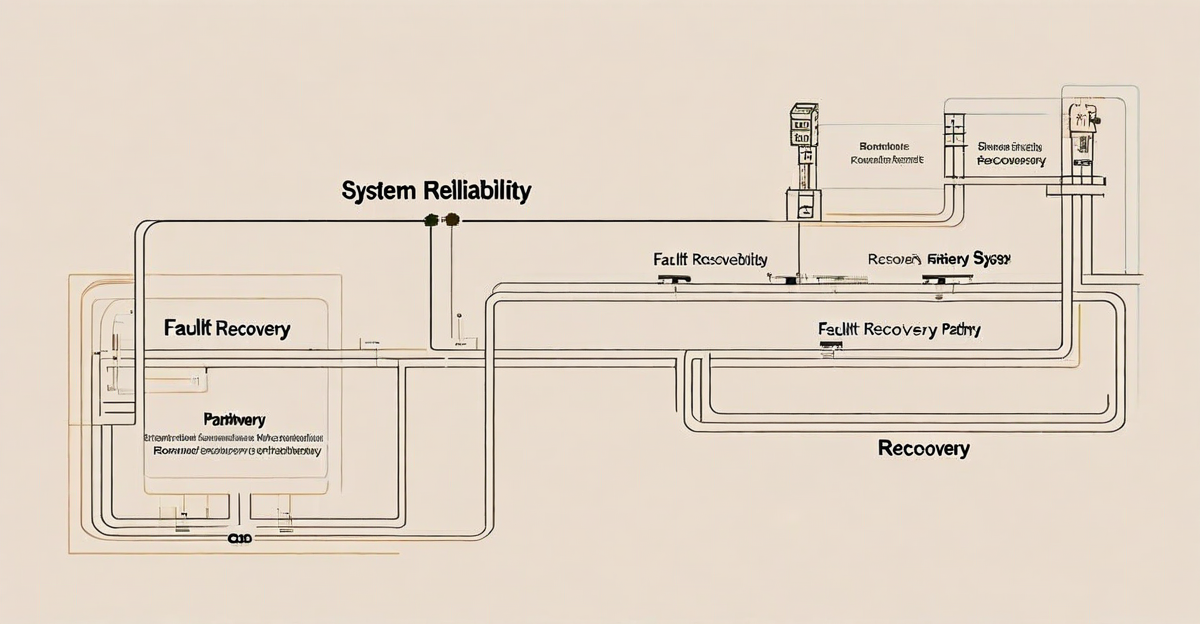
How to build deep learning training systems that survive GPU failures, network partitions, and preemptions with minimal lost compute — a practical guide to fault-tolerant ML infrastructure.

A practical engineering guide to mixed precision training with FP16 and BF16 — how Tensor Cores, loss scaling, and Flash Attention double throughput without degrading model quality.
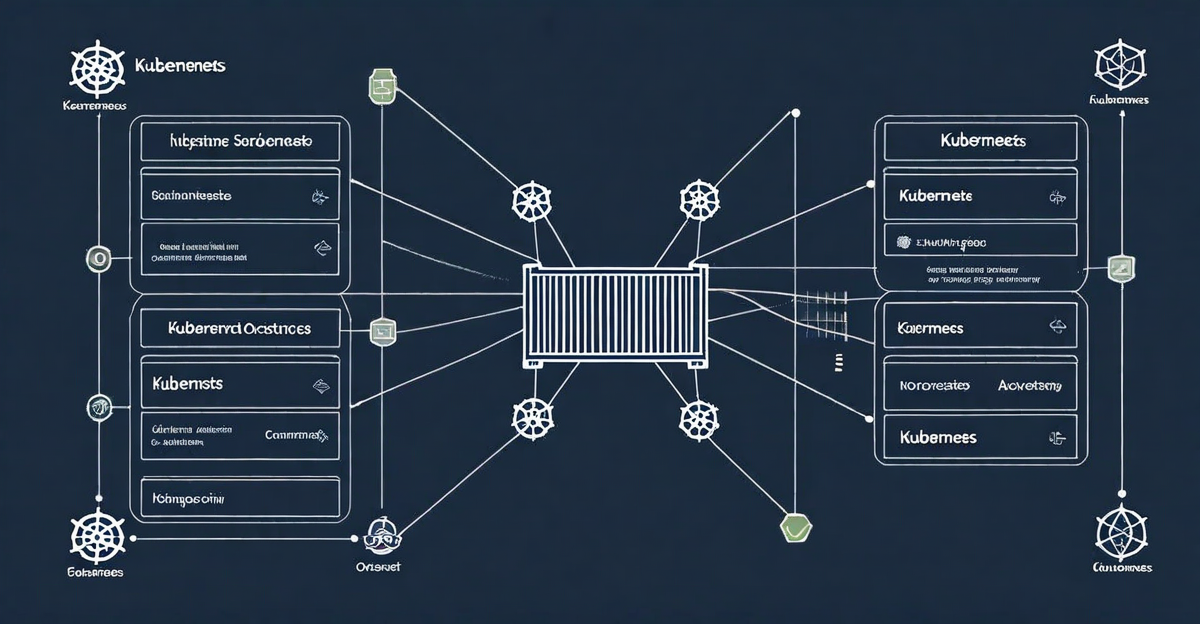
An honest evaluation of Kubernetes for machine learning workloads — where it excels, where it struggles, and which alternatives may serve ML teams better.

How hand-tuned CUDA kernels for attention, layer norm, and embedding operations deliver 2-3x speedups over standard PyTorch implementations.

A clear technical explanation of the three model parallelism strategies and how to combine them effectively for large model training on multi-node clusters.

A detailed cost breakdown of training large language models — compute, storage, networking, engineering time, and how total cost of ownership scales from 7B to 70B parameters.

How ML infrastructure teams can reduce the carbon footprint of deep learning training through hardware efficiency, carbon-aware scheduling, and workload optimization.

A systematic 2025 decision framework for ML infrastructure leaders choosing between on-premise GPU clusters and cloud training — analyzing TCO, flexibility, and strategic fit.

Incremental delta checkpointing with 70% compression makes fault-tolerant large-scale training practical — without doubling your storage costs.